(302) 262 8484
Your Smart Plug Is Leaking Your Wi-Fi Password: The Scary Truth About IoT Security

You bought a cheap smart plug to turn your living room lamp off with your phone, but you might have just handed over the keys to your entire digital life. It sounds like a paranoid conspiracy theory, but it is a cold, hard reality: your smart plug is leaking your Wi-Fi password to anyone with a bit of technical know-how. While you enjoy the convenience of automated schedules, background vulnerabilities in these tiny devices are quietly putting your home network at serious risk.
The Hidden Backdoor: How Your Smart Plug Is Leaking Your Wi-Fi Password
Here is the thing. When you configure a new smart plug, you have to connect it to your home Wi-Fi. To do this, you type your Wi-Fi password into a companion app, which then transmits that password to the plug. This is exactly where the disaster happens.
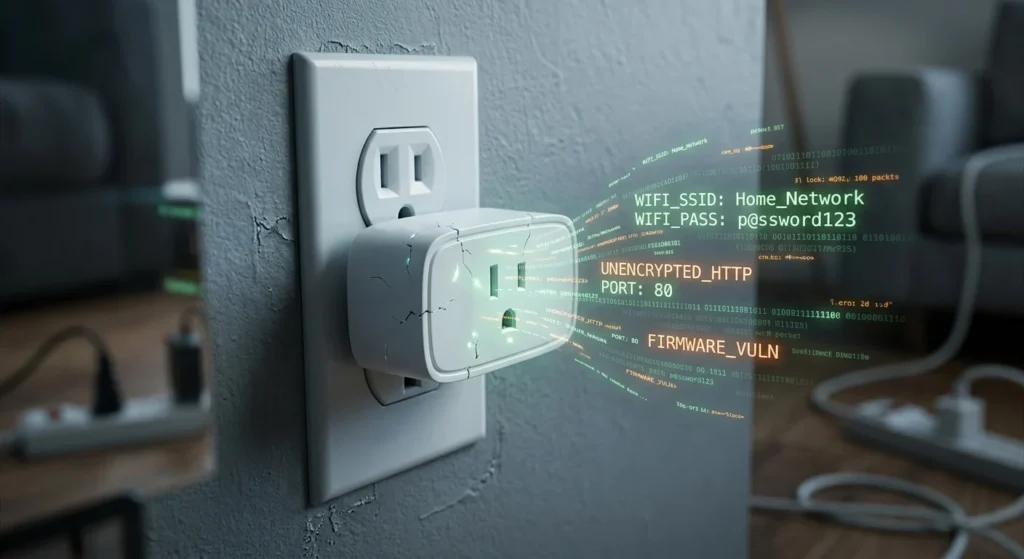
Many budget-friendly smart plugs send your Wi-Fi credentials in plaintext, completely unencrypted, during the setup process. If a bad actor is sitting outside your house with a simple wireless sniffer, they can intercept that signal. Just like that, they have your network name and your password.
Other times, the issue lies in how the plug stores that information. Many cheap devices keep your Wi-Fi password in plaintext within their internal memory. If someone gets their hands on the device or hacks its outdated firmware, they can easily extract the password, highlighting the importance of professional Malware Removal Service in Delaware to clean up compromised systems.
Why Do Cheap Smart Plugs Fail So Badly?
So why is this happening? It usually comes down to cost cutting. Manufacturers of ten-dollar smart plugs are trying to maximize profit margins, meaning they rarely invest in robust cybersecurity, so it is vital to consult with experts about IT Consulting to protect your home or office. Here are the main reasons why these devices are so deeply flawed:
- Unencrypted HTTP Traffic: Many cheap plugs communicate with the router using port 80 via unencrypted HTTP, leaving data wide open to local snooping.
- Weak Default Credentials: Many devices ship with hardcoded, generic factory passwords that users never change.
- Zero Firmware Updates: Once these bargain-bin plugs leave the factory, they rarely, if ever, receive security patches to fix newly discovered bugs.
The Domino Effect: From One Plug to Your Entire Network
Now, this is where it matters. You might think, so what if someone hacks my smart plug, especially when you consider What Hackers Look for First When Targeting a Device? They can only turn my lamp on and off, right? If only it were that simple.
Once an attacker exploits a vulnerability in your smart plug to grab your Wi-Fi password, they have full access to your local network. This means they can pivot to other devices connected to the same Wi-Fi. Suddenly, they can intercept traffic from your laptop, access unsecured network drives, or even peer through your smart home cameras, which is why you should be aware of The Brutal Truth About How Fast a Weak Password Gets Cracked.
Real-World Vulnerabilities You Should Know About
This is not just a theoretical threat. Over the years, security researchers have repeatedly caught popular smart plugs red-handed. For instance, cybersecurity firm A&O IT Group revealed that cheap, widely available models like the Sonoff S26 and the Ener-J Wi-Fi plug had massive security gaps that allowed researchers to steal Wi-Fi credentials. Similarly, older models of the TP-Link HS110 and Belkin Wemo Insight have faced severe vulnerabilities that could let attackers execute remote code or compromise home networks.
More recently, massive database exposures in the smart home ecosystem have leaked billions of data points, proving that even cloud-connected databases storing smart device logs are often left entirely unprotected without a password.
How to Lock Down Your Smart Home Today
So what does that mean for you? You do not have to throw all your smart gadgets in the trash, but you absolutely must change how you use them.
What to Do If Your Smart Plug Is Leaking Your Wi-Fi Password
If you suspect your devices are vulnerable, you need to take action. Do not wait for a manufacturer patch that might never come. Here is how you can secure your home network right now:
- Split Up Your Wi-Fi Network: This is the single best defense for any smart home. Most modern routers allow you to create a “Guest” network. Put all of your smart plugs, light bulbs, and vacuum cleaners on this isolated guest network. If one of your smart plugs gets compromised, the attacker will be trapped in a digital sandbox, unable to reach your personal computers or phones.
- Ditch the Generic Bargain-Bin Brands: Stop buying nameless ten-dollar smart plugs from random online marketplaces. Stick to reputable brands that have a track record of pushing regular security updates and using encrypted HTTPS protocols. It is worth spending a few extra dollars for a device that actually respects your privacy.
- Audit Your Setup and Keep Firmware Updated: Take a few minutes to log into your smart home apps and check for pending firmware updates. Manufacturers occasionally patch critical security flaws, but those patches only work if you actually install them. If you want to learn more about keeping your router secure, check out our guide on [home network security].
At the end of the day, convenience should never come at the expense of security. Taking twenty minutes to isolate your devices and update your passwords is a small price to pay to keep your home safe.