(302) 262 8484
World Cup Scams Are Tricking Millions: How to Spot the Fraud and Protect Your Money

The Rise of World Cup Scams: Why They Are Working So Well
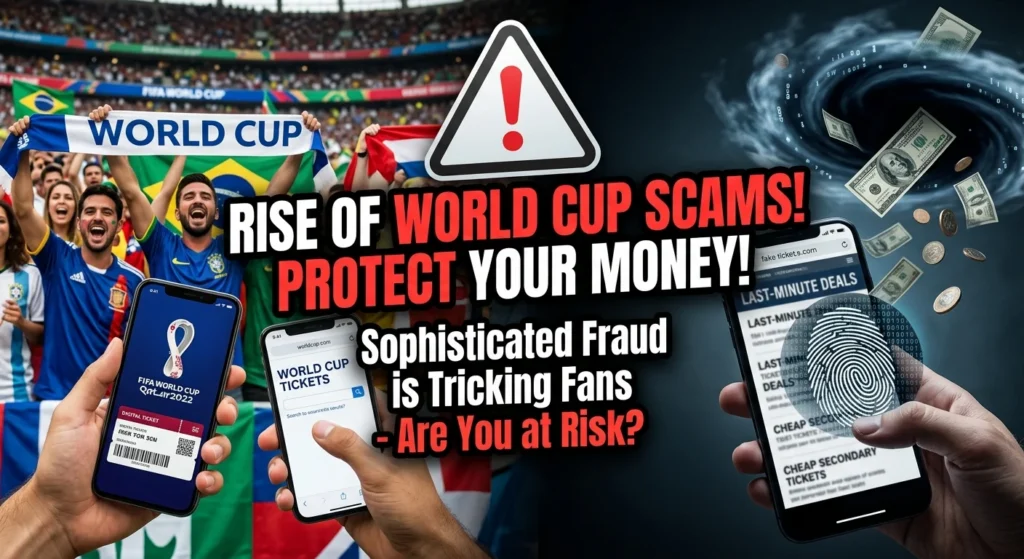
With the excitement of the FIFA World Cup reaching a fever pitch, millions of fans are searching for tickets, travel deals, and match updates. Unfortunately, cybercriminals are also working overtime, and a wave of sophisticated World Cup scams is tricking a lot of people out of their hard-earned money. If you are not careful, a simple search for secondary tickets or a quick bet on your favorite team could leave your bank account completely drained.
Here is the thing. Scammers follow the crowd, and wherever the world’s attention goes, fraud is sure to follow. Cyber security experts and federal agencies like the FBI have issued urgent warnings about the sheer volume of fraudulent activity targeting soccer fans. The threat is real, and it is growing every day.
How AI Powers Modern World Cup Scams
In the past, you could usually spot a scam from a mile away. Clunky graphics, terrible spelling, and awkward phrasing were dead giveaways. Those days are gone.
Now, scammers are using generative artificial intelligence to create flawless phishing emails and incredibly realistic copycat websites. They can generate highly polished text in multiple languages instantly. This makes it almost impossible to rely on traditional red flags to protect yourself, so you should learn how this simple email trick stops phishing attacks cold.
The Sneaky Tactics Behind Today’s World Cup Scams
Fraudsters are incredibly creative, but their methods usually fall into a few predictable patterns. Understanding these tactics is your best line of defense.
1. Fake Ticket Listings and Resale Traps
With matches selling out rapidly, fans are turning to secondary markets, social media, and Discord channels to find tickets. Scammers exploit this desperation by offering last-minute deals that seem too good to pass up. They will ask for payment via untraceable methods like wire transfers, gift cards, or cryptocurrency.
Once you pay, they disappear. Remember, official tickets are strictly digital and delivered through the official FIFA app. If someone tries to sell you a PDF, a screenshot, or a physical paper ticket, it is a scam.
2. Spoofed FIFA Domains and Phishing Emails
The FBI recently warned that threat actors are registering domains that look almost identical to official FIFA sites. They use minor typos, like using double letters or alternative domain extensions, to trick you into entering your personal details.
Once you land on these spoofed sites, they will ask for your name, address, and credit card number. This information is then used to commit identity theft or drain your bank accounts. If you want to keep your digital life secure beyond sporting events, consider investing in small business cybersecurity protection.
3. Dodgy Crypto Prediction and Betting Sites
The rise of online sports betting has opened up another massive avenue for fraud. Fake betting platforms and crypto prediction sites are popping up everywhere, promising massive payouts or exclusive World Cup themed digital tokens.
Some of these sites operate as classic pump and dump schemes. Others simply take your initial deposit and lock your account so you can never withdraw your funds. Because crypto transactions cannot be reversed, that money is gone forever.
4. The Classic FIFA Lottery Scam
Some old-school tricks never go out of style. Trading standards offices have reported a massive spike in physical letters and emails claiming recipients have won a multi-million dollar international World Cup lottery.
The catch? You have to pay an upfront processing fee or tax to release the funds. Legitimate lotteries will never ask you to pay a fee to claim a prize you never even entered to win.
How to Spot a Scam Before It Costs You
So what does that mean for you? It means you have to be incredibly vigilant whenever you are interacting with anything related to the tournament. Here is how you can stay safe:
- Always use official channels: Only buy tickets directly through the official FIFA ticket portal or authorized resale platforms.
- Double-check the URL: Before entering any personal or financial information, make sure the website address is spelled correctly and starts with https.
- Avoid upfront fees: Never pay a fee to claim a prize, secure a job, or expedite a travel visa.
- Say no to screenshots: Reject any ticket seller who offers to send you a screenshot or a PDF of a ticket instead of transferring it through the official app.
- Be skeptical of high-pressure tactics: Scammers love to create a false sense of urgency, forcing you to make quick decisions without thinking.
Now, this is where it matters. Your excitement for the game should not blind you to the risks. By taking a few extra seconds to verify who you are dealing with, you can enjoy the tournament without becoming another statistic in the growing list of fraud victims.